Osaka Land Price Survey 2026: Residential Up for a 5th Year, Kita-ku Commercial +15.6%
Osaka's 2026 land price survey shows residential land up 3.0% and commercial up 8.8%, both accelerating. Central Osaka leads while some outlying areas still fall. What it means for buyers.
The short version: Osaka land prices rose for a fifth year, and faster
On September 15, 2026, Osaka Prefecture published this year's land price survey (the "benchmark land price"), which measures the change over the year to July 1[1]. Across the prefecture, residential land rose 3.0% on average (2.7% the year before) and commercial land rose 8.8% (7.9% the year before), both for a fifth consecutive year. Industrial land rose 7.2% (5.9% the year before), its eleventh straight year of gains[1].
The prefectural survey is taken as of July 1 each year and complements the national "official land price" published by the Ministry of Land, Infrastructure, Transport and Tourism as of January 1, so together they work like a twice-yearly check-up on land values[2]. Both are appraised land values, not condominium sale prices, but they reflect the underlying cost of housing and the general mood of the market.
Osaka City: the center is well ahead of the prefecture
Within Osaka City, the gains are clearly above the prefectural average[2]:
- Residential land in Osaka City rose 6.7% (6.1% the year before) and commercial land rose 12.3% (11.1% the year before)[2].
- The wards with the biggest commercial gains were Nishi-ku (18.7%), Fukushima-ku (16.8%) and Kita-ku (15.6%)[2].
- In Kita-ku, residential land rose 7.3%, slightly slower than 7.4% the year before, while commercial land accelerated from 14.2% to 15.6%[2].
- The ward with the largest residential gain was Tennoji-ku, up 10.7%[2].
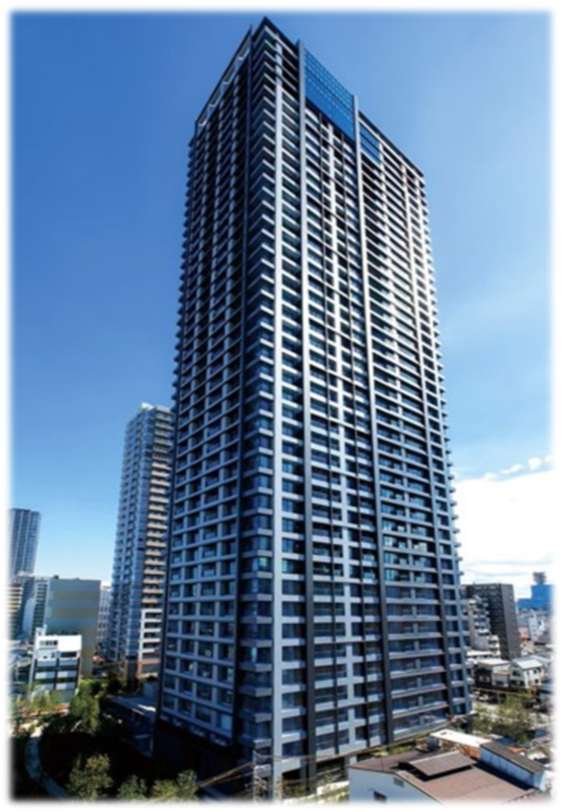
Kita-ku covers Umeda, Nakazakicho and the Tenjimbashi area, where offices and commercial facilities are highly concentrated. The further acceleration in commercial land suggests developers and investors still value land here highly.
Where prices are rising, and where they are not
Of the 479 residential sites surveyed in both years, 382 (79.7%) rose and 52 (10.9%) fell[2]. In other words, roughly one site in ten is still declining.
According to the prefecture, convenient areas such as Osaka City, Sakai City and northern Osaka continued to rise, while areas with poorer transport links saw smaller declines but are still falling in places[2]. For commercial land, the prefecture attributes the faster rise to two factors: tourist and restaurant districts supported by inbound visitors, and domestic and overseas investment demand for condominium and office sites in prime locations such as station areas in central Osaka[2].
What this means for buyers
1. Land is the base cost of housing. When land costs rise, new condominium prices tend not to fall, and this easily feeds through to asking prices for resale units in the same area.
2. "Osaka" is not one market. Within the same prefecture, the city center and outlying areas with poor transport links move very differently. When choosing a home, walking distance to the station and the number of lines nearby often matter more than the "Osaka" label.
3. The benchmark price is not the price of the unit you buy. Resale condominium prices also depend on building age, management quality, floor and orientation. To judge a specific property, look at recent transactions in the same building or similar nearby buildings, not just the land price trend.
4. Past gains do not predict the future. Interest rates, exchange rates, visitor numbers and construction costs can all change the trend. Decide based on how long you plan to hold, your loan terms and how you will use the property (live in, rent out, or both), rather than chasing a rising market.
Summary
The 2026 survey shows Osaka land prices still rising, most strongly in the city center, but not uniformly across the prefecture[2]. If you are considering a condominium around Umeda or Nakazakicho, feel free to contact us. We can help you judge whether a price is reasonable using transaction records and management documents for the specific building.
Sources
- 大阪府, 令和8年大阪府基準地価格調査(地価調査)の結果について, Sep 15, 2026 (accessed Oct 25, 2026)
- 大阪府, 令和8年大阪府基準地価格調査(地価調査)報道資料(PDF), Sep 15, 2026 (accessed Oct 25, 2026)
This article is general information, not investment, tax or legal advice. Figures are as of the publication of the sources listed and may have changed since. Please consult a professional for decisions about your situation.